Bluesty: The Font That Strengthens Your Brand's Visual Identity
As a business owner, you're juggling dozens of tasks daily. You don't have time to become a design expert, but you know your brand's look matters deeply. Your font choice is one of the most powerful, yet often overlooked, tools in your toolbox. It's the voice of your visuals. Today, let's talk about a specific font, Bluesty, and how its unique personality can solve practical branding problems for your shop, service, or product line.
The Character and Mood of Bluesty
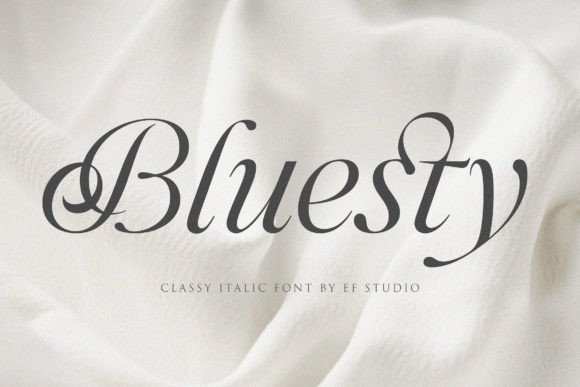
What is Bluesty? It's a modern script font with a distinct personality. It blends graceful curves with deliberate, subtle angles. This balance creates an overall feel of refined warmth—it's elegant without being cold, friendly without being casual. The mood it sets is one of thoughtful creativity and approachable professionalism. Think of it as the visual equivalent of a perfectly crafted handwritten note: personal, polished, and intentionally designed.
This makes Bluesty an ideal typeface for businesses that want to feel human and crafted while maintaining a clean, trustworthy appearance. It avoids the overly informal feel of some handwritten fonts and the stark rigidity of many geometric styles. It sits comfortably in a space that many small businesses occupy: aiming for premium quality with a personal touch.
Practical Applications Across Your Business Touchpoints
Your brand lives across many materials. Consistency across these touchpoints builds recognition and trust. Using a distinctive font like Bluesty as a core element of your identity creates that consistency effortlessly. Here’s how it can be applied to real-world items you likely need to create or update.
For Your Core Brand Identity
Bluesty shines as a display font for your logo and business name. Its unique shape makes your logo memorable. For a boutique, the font’s refined curves suggest quality clothing. For a bakery, its warmth feels homemade and delicious. For a coaching or creative service, its elegance conveys expertise and care.
Use it on your business cards, website header, and social media profile pictures. This immediate visual signature helps customers remember you.
For Packaging, Labels, and Physical Products
This is where Bluesty’s readability in smaller sizes becomes crucial. On a product label for handmade candles or beauty products, use it for the product name or brand line. The font’s character adds perceived value and artistry to the item itself. On packaging, like a box for a small batch coffee or a ceramic mug, it transforms a simple container into a branded experience. For a menu in your café, using Bluesty for section titles (like "Espresso Classics" or "Fresh Pastries") elevates the entire dining experience.
For Marketing and Customer Communication
In your digital and print marketing, Bluesty acts as a powerful accent. Use it for headlines on flyers, special offer banners on your website, or the main message in an Instagram post promoting a new product. Its elegance draws attention without shouting. For direct customer touchpoints, imagine using it on thank-you cards, loyalty program stickers, or email newsletter headers. This repeated, pleasant visual reinforces a positive feeling about your brand.
How to Use Bluesty Effectively in Your Designs
A font is a tool, and using it correctly matters. Here are simple, practical guidelines to ensure Bluesty works for your brand, not against it.
Primary Use: Headlines, Logos, and Accents
Bluesty is best used as a headline font, logo font, or for short, impactful phrases. Its decorative nature is meant to be seen. Avoid using it for long paragraphs of body text, especially on mobile screens or in detailed instructional copy. On a website, let it dominate the hero banner statement. On a product label, let it name the product while a simpler font describes the details.
Readability in Real Settings
Always test readability. Before finalizing a design, print a sample label at its actual size. View your website banner on a phone screen. Check how an Instagram post thumbnail looks. Bluesty's clear forms generally perform well, but testing confirms it works for your specific use. Remember, a beautiful font that can't be read fails its purpose.
Simple and Effective Font Pairings
No brand uses just one font. Pair Bluesty with a simple, highly readable sans serif font (like a clean, geometric style) for all your body text, descriptions, and contact information. This pairing is classic and effective: the decorative script provides personality, and the sans serif provides clarity. For a more traditional feel, you could pair it with a clean serif font. The key is contrast. Let Bluesty be the star for key elements, and let a neutral, readable font handle the supporting information.
A Crucial Step Before You Begin: Licensing
This is a non-design but essential business step. If you plan to use Bluesty on products you sell, on packaging, in client work, or embedded in digital templates you distribute, you must ensure you have the appropriate commercial font license. Most fonts are sold under different licenses for personal versus commercial use. Using a font without the correct license for your business activities can lead to legal issues. Always check the license terms before committing a font to your brand identity. It protects your business.
Testing and Implementing Bluesty in Your Brand
Don't redesign everything at once. Start small. Create a new social media graphic using Bluesty for the headline. Design a mock-up of a product label. See how it feels. Does it align with your brand's desired mood? Does it appeal to your target customers? Does it stand out appropriately from competitors? This low-risk testing prevents costly, full-scale rebranding mistakes.
When you're confident, begin its systematic implementation. Update your logo first, then your key packaging, then your main marketing templates. This phased approach makes the transition manageable and allows you to gather feedback.
In the end, a font like Bluesty is more than a decorative choice. It's a strategic design asset. Its consistent application across your website, your packaging, your shop front, and your social media tells a coherent story about your business. It builds visual recognition that makes customers remember you. It conveys a level of care and professionalism that makes them trust you. And for a small business owner, that trust and recognition is everything.