Retro Honey: A Handwritten Font for Creative Hands
The sun was streaming across my desk, warming the stack of blank candle jars waiting for their labels. I opened my design software, the cursor blinking patiently on a new canvas. I needed a name, a feeling. Not something stiff or overly formal, but a warm, personal touch—like the scent of the vanilla bean candles inside. That’s when I found Retro Honey. From the very first letter I typed, I knew it was the one. Its relaxed, flowing script felt like a friend’s handwritten note, full of character and charm. It wasn’t just a font; it was the missing piece of my product’s story.
The Personality of a Perfect Script
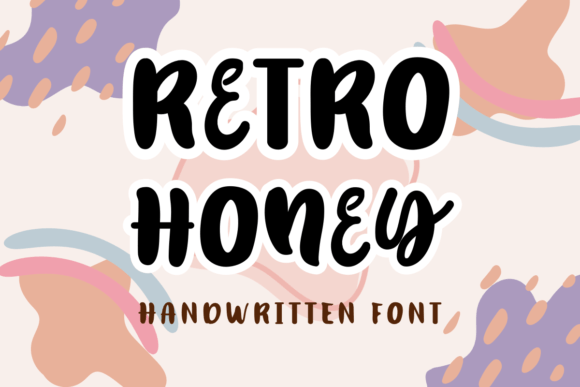
Retro Honey has a distinct visual personality. It’s a handwritten font with a gentle, organic rhythm. The letters carry a slightly retro, nostalgic charm without being overly vintage or difficult to read. There’s a playful bounce in its lowercase characters and a welcoming openness in its capitals. The overall mood is warm, creative, and effortlessly approachable—ideal for products that speak directly to the heart. This isn’t a cold, technical typeface; it’s a creative font that feels alive, adding a layer of handmade authenticity to anything it graces.
Bringing Products to Life with Typography
For makers and sellers, a font is more than just letters; it’s a design asset that shapes customer perception. Using Retro Honey on your physical products and shop materials can elevate the entire presentation. It suggests care, attention, and a personal touch, which directly impacts perceived quality. When used consistently across your labels, packaging, and branding, it builds a recognizable visual identity that customers begin to associate with your brand’s unique feeling.
I’ve seen this firsthand. After designing my candle labels with Retro Honey for the product name, the entire jar felt more cohesive. The font’s emotional appeal made the product seem less like a generic item and more like a crafted experience. It engages your audience on a subtler, more personal level, inviting them into the story you’re telling through your work.
From Labels to Invitations: Real Maker Applications
The applications for a font like this in a creative business are vast. It’s wonderfully suited for short phrases, names, titles, and decorative wording—perfect for display use.
- Product Labels & Tags: It’s a star on jar labels for honey, candles, or preserves, and on hang tags for knitted goods or boutique clothing.
- Greeting Cards & Invitations: Retro Honey lends a personal warmth to birthday cards, wedding invitations, and thank-you notes.
- Wall Art & Printables: For digital downloads like inspirational quotes or seasonal prints, the font adds a hand-crafted feel to printable wall art.
- Packaging & Signage: Use it for “Thank You” notes on packaging, or for charming signs in a farmhouse style.
- Seasonal & Holiday Designs: It brings a cozy, festive touch to Christmas tags, autumn planner pages, or spring market posters.
- Merchandise: It translates beautifully onto mugs, tote bags, and shirts, especially for single-line phrases or names.
A Wedding Welcome Board Example
Recently, I designed a mockup for a rustic wedding welcome board. The couple’s names were set in Retro Honey, flowing gracefully across the top. The script’s natural elegance immediately set the tone—warm, personal, and celebratory. It worked as the beautiful focal point, while the smaller details (date, location) were paired with a clean, simple serif font for clarity. This is where Retro Honey shines: as the emotional anchor of a design.
Readability and Practical Pairing Advice
While Retro Honey is stunning for display, it’s best used for shorter text blocks—product names, headlines, or decorative elements. For longer paragraphs on cards or descriptions on labels, pairing it with a secondary font is key for readability.
A clean, neutral sans serif font is often the perfect companion. It provides a stable, easy-to-read foundation for details like ingredients, instructions, or addresses, allowing the script to remain the star. This pairing creates a balanced, professional look that still feels creative and cohesive.
For cutting machine users creating stickers or vinyl designs, test the font at your intended size. Its handwritten nature holds up well, but ensuring clarity on small stickers or detailed product labels is always a good practice. In printed cards and on physical merchandise, it renders with a lovely, organic texture that avoids looking pixel-perfect and sterile.
Essential Considerations for Commercial Use
Before using any font like Retro Honey to sell physical products, templates, or digital downloads, it’s crucial to check its licensing. Confirm it includes a commercial license that covers your intended use. Explore the included file formats to ensure compatibility with your software, whether for print, web design, or social media graphics.
Also, look into the font’s specific features. Does it offer alternates, ligatures, or swashes? These can add even more versatility and uniqueness to your designs, allowing you to customize words for a truly one-of-a-kind look. Checking for multilingual support is wise if your audience or products are global. These details turn a beautiful typeface into a robust tool for your brand identity and editorial design.
The Font as a Creative Partner
In the end, Retro Honey isn’t just a tool in the software dropdown menu. It becomes a creative partner. It’s the font you choose when you want to infuse your candle label with the warmth of a kitchen memory, your wedding invitation with the promise of a personal celebration, or your shop’s branding with the unmistakable mark of a maker’s hand. It waits patiently on your screen, ready to transform a simple phrase into the soul of your next creation.