Retro Love: The Valentine Font That Adds a Touch of Warmth to Your Crafts
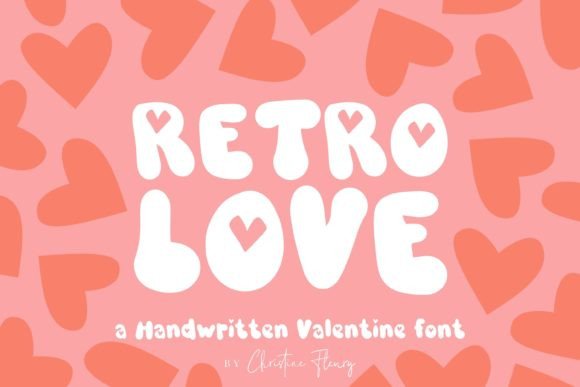
There’s a moment in the design process that always feels magical: when you select a font, type a word, and suddenly, your project comes alive. I remember designing a series of Valentine’s Day candle labels, sketching out ideas for ‘Rose Garden’ and ‘Be Mine’. My usual clean sans-serif felt too modern, too cold. Then I clicked on Retro Love. As soon as I typed the product name, it transformed. The letters themselves were adorned with sweet, open hearts—a subtle, integrated decoration rather than a clunky add-on. The handwritten style felt personal and warm, like a love note scribbled on the back of a photograph. That was the moment. The labels weren’t just informative anymore; they became part of the gift.
The Creative Personality of a Heart-Adorned Handwritten Font
Retro Love has a distinct personality. It’s not a formal, rigid script. It’s playful and friendly, with a natural, flowing baseline that suggests genuine handwriting. The hearts embedded within the characters are its defining charm—they’re not overpowering, but they whisper the theme of love and nostalgia. This makes it perfect for anything that requires an emotional touch. The overall mood is joyful, romantic, and slightly vintage, evoking the warmth of a handwritten Valentine from a simpler time. Its creative appeal lies in this blend of utility and decoration; it’s a functional font that also serves as a design element.
For makers, this translates directly to product presentation. Using a font with such inherent charm elevates the perceived quality of your item. A greeting card with Retro Love for the main message feels more thoughtful than one with a standard system font. A product tag on a handmade soap or a boutique tote bag gains a cohesive, branded aesthetic. When customers see consistent use of a distinctive font like this across your shop materials—from packaging to labels to your social media graphics—it builds brand recognition and emotional appeal. It tells your audience that care was put into every detail.
Bringing Retro Love to Life on Real Products
The applications are wonderfully broad. I’ve used it across physical and digital products, and its versatility always surprises me.
For physical goods, it shines on items where text is a focal point. I’ve designed:
- Candle Labels & Product Tags: For seasonal lines like ‘Valentine’s Spice’ or everyday ‘Love & Light’. The font size needs to be large enough for the hearts to be clear, but even at a moderate size, the handwritten style adds luxury.
- Greeting Cards & Wedding Stationery: It’s ideal for short phrases like ‘Happy Anniversary’ on a card front, or ‘Welcome to Our Wedding’ on a signage board. For longer text in invitations, I pair it with a clean serif for the body details.
- Signs & Wall Art: For farmhouse-style quotes or nursery artwork, printed on wood or canvas. ‘Home is Where the Heart is’ looks stunning rendered in Retro Love.
- Apparel & Merchandise: On mugs, shirts, and tote bags, especially for SVG designs intended for sublimation or vinyl cutting. Phrases like ‘Coffee & Love’ or a simple ‘Mom’ become standout features.
- Stickers & Planner Pages: For decorative stickers in a planner or journal. The hearts make it perfect for marking special dates or creating themed sticker sheets.
For digital products, it’s equally powerful:
- Printable Wall Art & Digital Cards: As the main typographic element in downloadable PDFs for home decor.
- Template Previews & Mockups: Using it in your listing images to show how a customizable invitation or label template can look, immediately conveying the theme.
- Packaging Design & Branding: For your own shop’s logo, thank-you notes, or packaging tape design if you want a consistent, warm brand identity.
Practical Advice for Crafting and Production
When working with a decorative font like Retro Love, a few practical considerations ensure your final product looks its best.
Readability and Application: This is a display font. It’s perfect for short phrases, names, titles, and decorative wording. I wouldn’t use it for long paragraphs or very small text on intricate product labels, as the handwritten details and hearts need space to be appreciated. For cutting machines like Cricut or Silhouette, ensure your SVG paths are clean—test a small cut first. The font renders beautifully, but very thin connections in some letters might need slight adjustment for delicate vinyl weeding.
Font Pairing for Harmony: To create balanced designs, I often pair Retro Love with a simple, clean supporting font. A minimalist sans-serif (like a geometric sans) for body text on an invitation keeps things legible and modern. A classic serif can ground it for more traditional projects. This pairing allows Retro Love to be the star for emotional headlines while maintaining professional readability for other information.
Licensing and Technical Checks: Before selling any physical product, template, or digital download featuring the font, always verify its commercial license. For a font categorized under Script Amp and Fonts, this is typically included, but confirming is a crucial step. Also, check the included file formats (OTF, TTF often) to ensure compatibility with your design software. Look for any special features like alternates or ligatures that can add variation to your designs, though the heart-adorned base letters are the core charm. Multilingual support might be limited in a heavily decorative font, so test if you need characters beyond standard English for your project.
A Font That Infuses Love into Your Creative Process
Ultimately, Retro Love is more than just a set of characters; it’s a design asset that carries a mood. From the moment you type with it, it guides the creative direction of your project towards warmth and personal touch. Whether you’re pressing it onto a shirt, printing it on a cardstock label, or featuring it in a digital mockup, it brings a consistent, heartfelt quality to your work. It turns a simple product name into a statement, a plain tag into a keepsake, and a digital template into an evocative preview. For crafters and makers, that transformation—from standard text to meaningful design—is where the real magic happens.